


 127 / 138

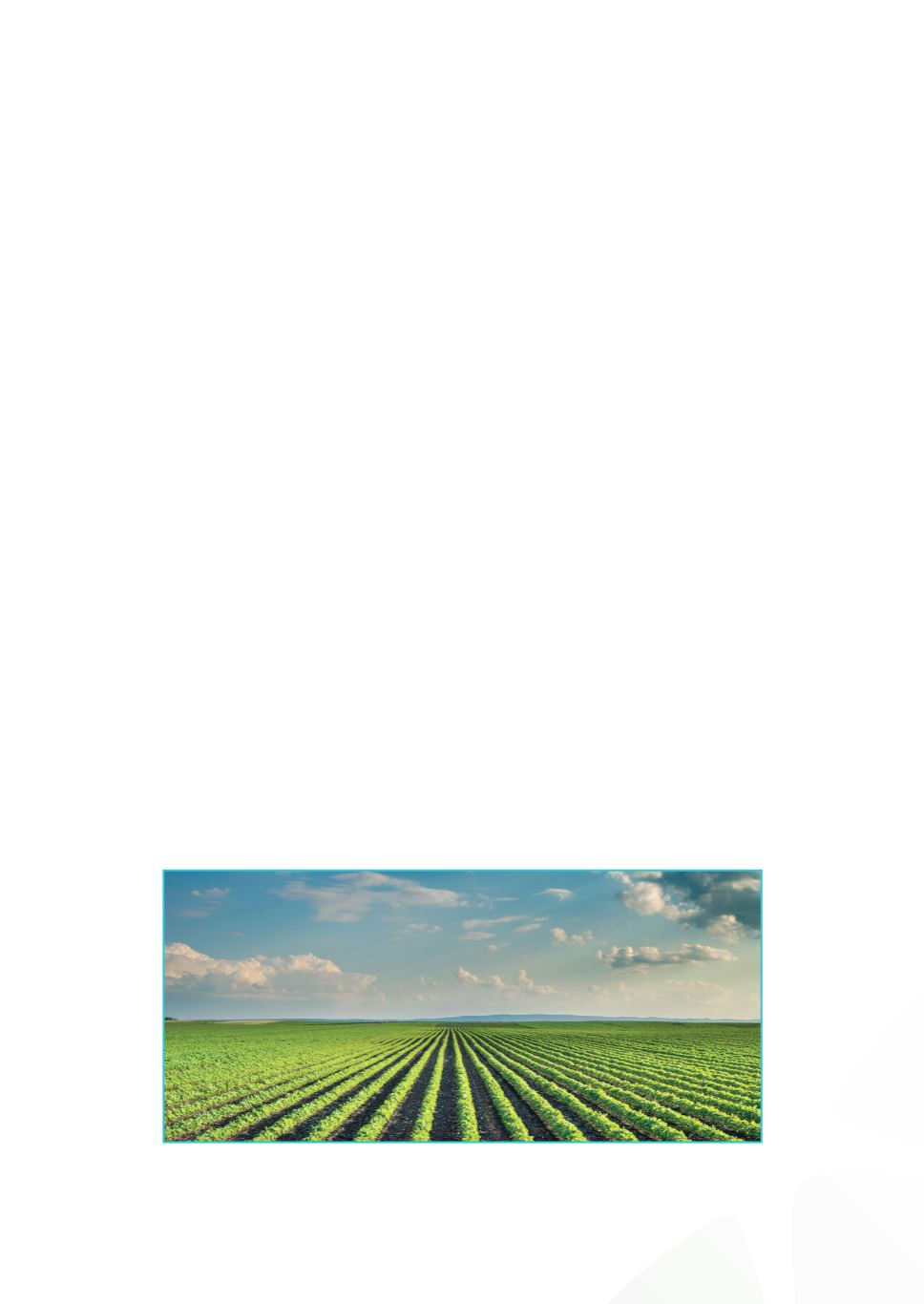
In the arable sector some segments are identified withmore Biorational input
than others: insecticides, simply on account of the reduced number of new
conventional solutions, are high on the list and are used in IPM programs in
stone fruit, citrus and vines; fungicides too, where there are many Biorational
candidates, are registered in wheat, rice, cabbage, tobacco as well as in vines
for both table and wine grapes. The herbicide segment seems more likely to
remain served by conventional products for longer, due to the availability of
new conventional actives from the major companies that meet registration
requirements and the lack of Biorationals with systemic activity and
selectivity. However, Biorational molluscicide products and potato sprout
suppressants are already widely used.
Promising trends have been seen in the development of Biorational cereal
fungicide projects, there are other Biorational products (e.g. Neudosan
®
Neu, Amylo-X
®
, Botanigard
®
, Eradicoat
®
Max) in the registration process in
various countries and a range of further products for open field use in the
development pipeline with field trials underway. There is progress, but it will
take time and such products must go through the regulatory process before
they can reach the market.
125