



 126 / 138

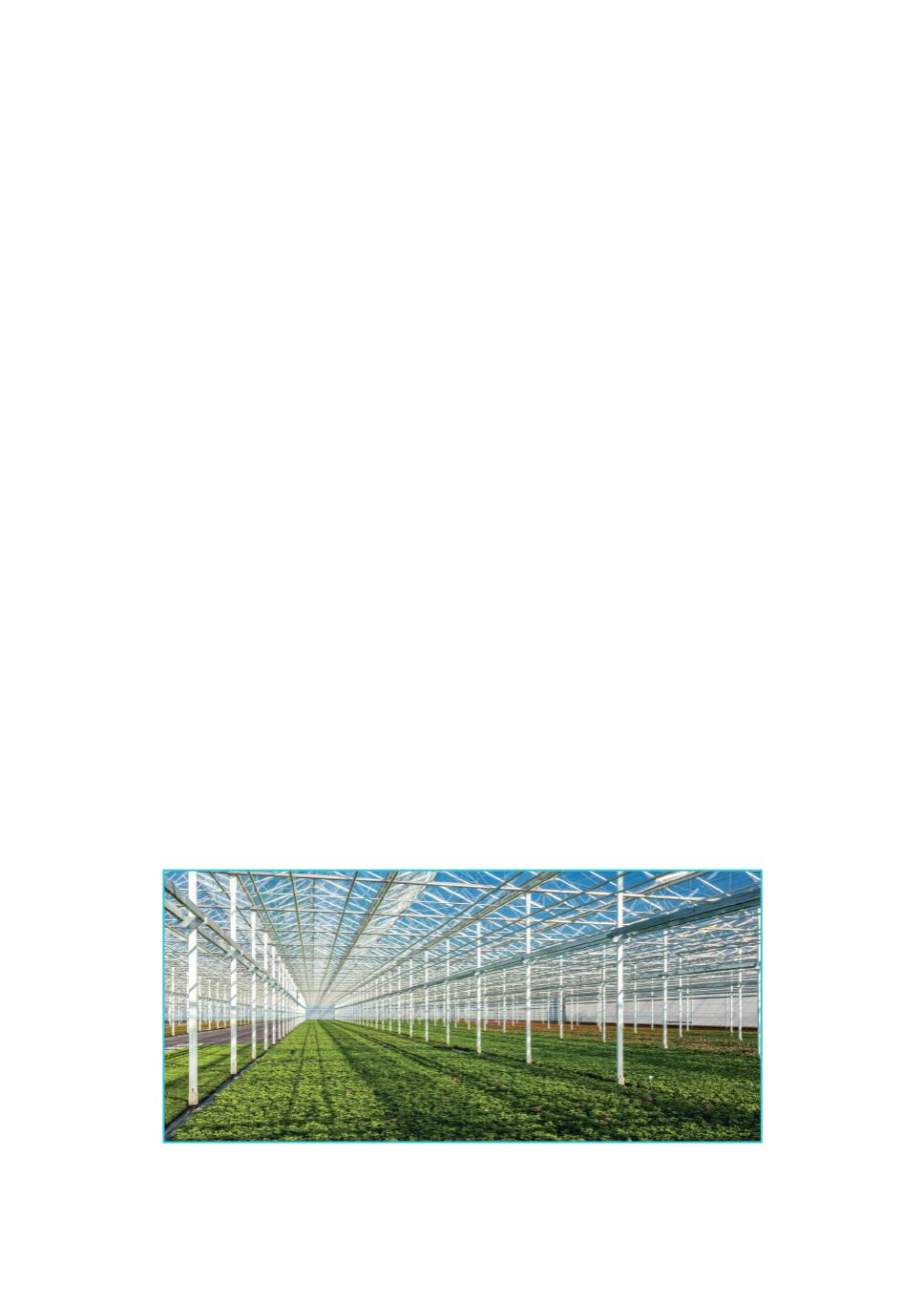
From glasshouse to field
With an increasing number of agrochemical products being lost, farmers
are being forced to seek new ways of working to protect their crops in
open field situations. This may involve new crops, crop rotations and
cropping systems, mechanised weed control, more resistant varieties, new
precision technologies using satellites and digital cameras, robots, etc.
for crop protection product application. It is also likely that, following the
consumer demands and the new EU policies and strategies, growers will
look to increase the number of Biorational products integrated into their
crop programs, providing a complete solution based on Integrated Pest
Management (IPM) including conventional and Biorational solutions.
Efforts both to discover new active ingredients and to extend the use of
existing products to more open field crops are ongoing, but it is vital to
understand that the successful transfer of Biorational products to achieve
effective pest control in such situations is not a simple matter. Since almost
no Biorational has systemic activity, one of the major challenges here is to
optimise application techniques to ensure accurate product contact with
the target pests, even, for example, on the underside of leaves. In addition,
Biorational products degrade more quickly than conventional synthetic crop
protection products and are therefore more susceptible to adverse weather
conditions, potentially leading to a reduction in performance. There have
been some promising results in improving application techniques and
characteristics such as rainfastness, but work is in progress.
124